
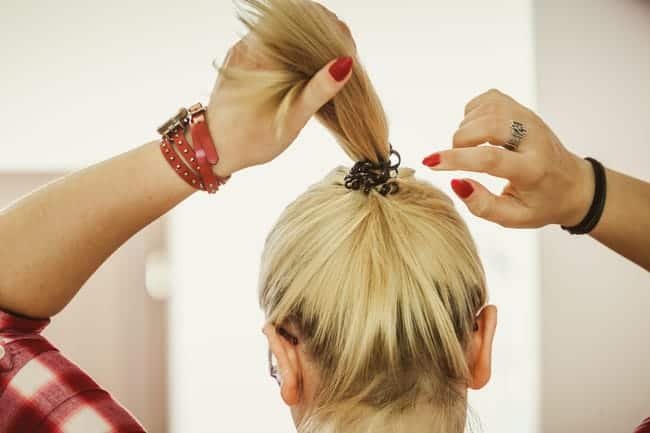
If you are anything like me, your morning routine probably looks something like this: wake up, brush teeth, drink coffee, and immediately throw your hair into a tight ponytail before you’ve even checked your email. It’s the ultimate “I’m busy getting things done” hairstyle.
We all adore ponytails. They are sassy, chic, and virtually perfect for keeping long hair off your neck during a heatwave or a workout. But here is the uncomfortable truth we need to discuss: that reliable hair band might be your hair’s worst enemy.
Have you noticed your hairline looking a little further back than it used to? Or maybe you have a halo of short, frizzy hairs around your temples that never seem to grow? These aren’t just quirks of aging; they are red flags. Board-certified dermatologists agree that pulling your hair into a tight style daily can lead to permanent hair loss.
If you are ready to save your edges and boost the health of your hair, you don’t have to chop it all off. Here is how to break the tight ponytail habit and what to do instead.
CHECK OUT: 10 Ways to Put Your Hair Up In A Ponytail
The Hidden Dangers: Why Your Ponytail is Hurting You
It might seem dramatic to say a hairstyle causes permanent damage, but the science is clear. When you pull your hair back tightly, you aren’t just styling it; you are applying constant physical stress to the hair follicle.
Traction Alopecia: The Silent Killer of Hairlines
The most significant risk is a condition called traction alopecia. This occurs when the constant tension from tight hairstyles—like high pony tails, tight buns, or braids—literally pulls the hair out of the scalp.
- The Mechanism: The tension inflames the follicle. Over a long time, this inflammation causes scarring. Once the follicle scars, it can no longer produce hair, leading to bald patches and a permanently receding hairline.
- The Victims: This is especially common in those with thick hair (which is heavier) or fine hair (which is more fragile), and anyone who wears hair extensions or tight weaves.
The “Ponytail Headache”
Have you ever taken your hair down at the end of the day and felt a rush of relief, followed by a lingering soreness? That is scalp pain caused by your trigeminal nerves. These nerves detect sensation in your face and scalp. When you wear a high ponytail, you are constantly stimulating these nerve endings, leading to hypersensitivity and headaches.
Breakage and The “Flyaway” Effect
Look at the back of your head or right where your elastic ties sit. Do you see short, broken hairs sticking up? This is mechanical breakage. Rubber bands and metal-clasped ponytail holders act like little saws, cutting into the hair shaft every time you walk, run, or turn your head.
5 Signs You Need to Stop Wearing Ponytails Immediately
If you notice any of these symptoms, it’s time to put the hair tie down:
- Receding Hairline: You notice more forehead than usual, especially around the temples.
- Scalp Tenderness: Your scalp hurts to the touch, or you feel relief immediately after taking your hair down.
- Broken Hairs: You have a “halo” of shorter hairs that aren’t layers or bangs.
- Widening Part: Your part seems wider than it was last time you checked.
- Pustules: You see small bumps (like pimples) at the base of the hair strands where they are pulled tight.
The 6 Best Alternatives to the Tight Ponytail
Breaking the habit is hard because ponytails are easy. To stop, you need alternatives that are just as fast but significantly gentler.
1. The Claw Clip Twist (The TikTok Favorite)

Thanks to TikTok, the 90s are back, and the claw clip is the undisputed queen of healthy hair accessories.
- Why it’s better: It distributes the weight of your hair evenly across the back of your head rather than concentrating tension on a single point.
- How to do it: Gather your hair low at the nape. Twist the length of your hair upwards against your head. Open the claw clip and secure the twist. Leave the ends spilling over the top for a casual look.
- Best for: Thick hair and long hair that feels heavy.
2. The Low, Loose Braid

If you need your hair contained but hate the bulk of a clip, the loose braid is your best friend.
- Why it’s better: It puts almost zero tension on the roots.
- How to do it: Sweep your hair to the side or back. Braid loosely—think “Boho chic,” not “Croft raider.” Secure the end with a satin scrunchie or a snag-free elastic.
- Variation: Try a French braid or Dutch braid. While these look intricate, they actually distribute tension across the entire scalp rather than pulling from the hairline. Just keep the start of the braid loose!
3. The Satin Scrunchie “Pineapple”

If you have curly or wavy hair, you likely already know this trick.
- Why it’s better: Satin scrunchies are slippery. They glide over the hair cuticle without snagging.
- How to do it: Flip your head upside down and gather your hair at the very top of your head. Secure it loosely with a satin scrunchie. This is great for volume and keeping hair out of your face without the tight updo pain.
4. Hair Sticks and Forks

For a sophisticated look that causes zero damage, look to history. Hair sticks have been used for centuries for a reason.
- Why it’s better: A hair stick relies on tension within the hair twist itself, not on pulling at the scalp. It’s arguably the best thing for preventing traction alopecia.
- How to do it: Twist your hair into a loose bun. Weave the stick through the top section of the bun, touch the scalp gently, and weave it back up through the bottom section. It takes practice, but it’s weightless once mastered.
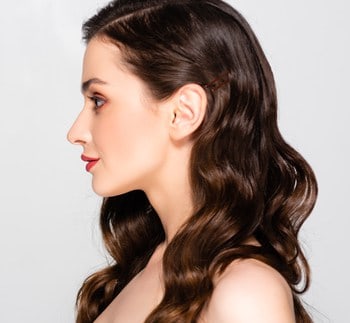
5. The “Top Sides Pinning”

This is the perfect “I’m growing out my bangs” style.
- Why it’s better: It keeps hair out of your eyes without pulling the length of your hair back.
- How to do it: Part your hair in the middle or side. Take the front sections (bangs or layers) and twist them loosely away from your face. Secure them behind your ears with bobby pins. Leave the rest of your hair down or in a low ponytail.
READ: How to make a perfect high ponytail
6. The Headband Tuck

If you have short hair or layers that fall out of clips, try a soft fabric headband.
- Why it’s better: No elastics required.
- How to do it: Place a stretchy headband over your hair. Tuck the ends of your hair up and into the headband at the nape of your neck. It creates a “faux bob” or gibson tuck look that is elegant and protective.
How to Wear a Ponytail Safely (If You Must)
Sometimes, you just need a ponytail. Maybe you are going for a run or you just love the sleek ponytail look. If you must wear one, follow these rules to minimize damage:
- Change the Position: Do not wear your ponytail in the same spot every day. The position of your ponytail dictates where the breakage happens. Rotate between a high ponytail, low ponytail, and side pony.
- Use the Right Tool: Throw away all rubber bands and metal-clasped elastics. Switch to fabric hair ties, coil ties (like Invisibobble), or satin scrunchies.
- Loosen Up: Once you secure the band, grab the base of the ponytail and pull it tight, then grab the hair at your roots and pull it loose. You want to reduce the tension on the hairline.
- Never on Wet Hair: This is the golden rule. Wet hair stretches and snaps much faster than dry hair. Putting wet hair in a tight elastic is the worst thing you can do. Let it dry first.
Exercise Hairstyles: How to Work Out Without the Damage
A common question from the Curling Diva community is: “What about the gym?” You can’t exactly wear a claw clip while doing burpees.
- The Bubble Braid: Secure a high ponytail with a scrunchie. Then, add another scrunchie every 2 inches down the tail. This keeps hair controlled without whipping you in the face, and the multiple ties distribute the weight.
- The Top Knot: For yoga or lifting, a top knot positioned at the very crown keeps hair off your sweaty neck. Just keep the bun loose!
- French Braids: Two tight (but not painful) French braids are the ultimate secure workout style that won’t budge but prevents the “swinging pendulum” damage of a single ponytail.
Recovery: Can You Fix the Damage?
If you are already seeing signs of traction alopecia or have a halo of broken flyaways, don’t panic. You can reverse much of the damage if you catch it early.
- Stop the Tension: This is non-negotiable. You must stop the tight pulling for at least 3-6 months.
- Scalp Massage: Stimulate blood flow to the hair roots by massaging your scalp with rosemary oil or a lightweight serum daily.
- Protein Treatments: Use a protein mask or bond builder (like Olaplex) to strengthen the shorter hairs that have snapped.
- See a Doctor: If you have bald patches that are smooth and shiny (indicating scarring), see a board-certified dermatologist immediately. They may prescribe treatments to help regrowth before it’s permanent.
FAQs
Q: Does sleeping in a ponytail cause damage?
A: Yes! Sleeping in a ponytail is a major cause of breakage. You create friction against the pillow while the elastic cuts into the hair shaft. The best way to sleep is with hair loose, in a loose braid, or using a satin bonnet.
Q: Why does my scalp hurt after wearing a ponytail?
A: That is “ponytail pain syndrome,” caused by the overstimulation of the trigeminal nerves in your scalp. It’s your body’s way of screaming, “Let your hair down!” Listen to it.
Q: Can ponytails cause headaches?
A: Absolutely. The constant pulling on the scalp tissues can trigger tension headaches and even migraines in susceptible people.
Q: Are claw clips better than scrunchies?
A: Generally, yes. Claw clips do not constrict the hair shaft at all. Scrunchies are safe if used loosely, but clips are superior for avoiding that “dent” in your hair and minimizing tension.
Q: Is it okay to wear a ponytail once a week?
A: Yes. The damage comes from repetition and duration. Wearing a tight ponytail once a week for a night out is fine. Wearing one every day for 8 hours is where the permanent damage begins.
Conclusion
Breaking the ponytail habit requires a shift in mindset. It’s easy to prioritize convenience, but the lot of stress you are putting on your follicles isn’t worth the permanent hair loss.
Start small. Commit to using a claw clip twice a week. Swap your gym elastic for a satin scrunchie. Take a few extra minutes to dry your hair so you aren’t pulling back wet hair. Your hairline will thank you, and honestly? Those loose buns and braids look a lot more effortless and chic anyway.
Let your hair down—literally. It deserves a break!
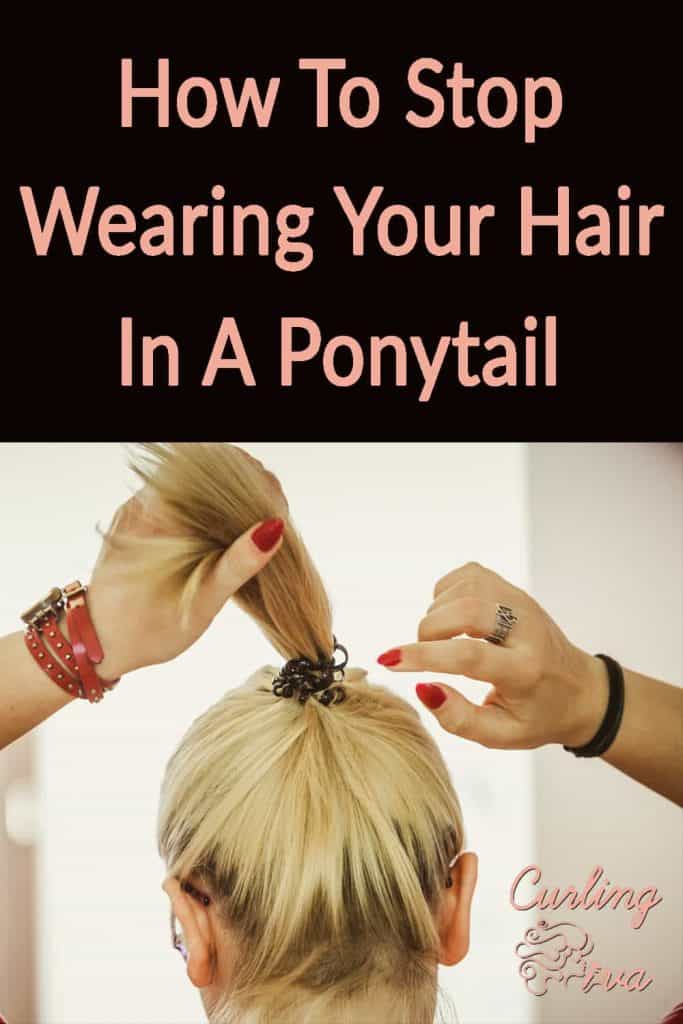
PIN For Later!
What about exercise hairstyles?
I’m not sure if it’s my phone or not, but there were several of the hair styles that didn’t have photos. That would be very helpful.
Hi Kristina! Thanks for the heads-up! It definitely wasn’t just you. I’ve gone ahead and added images for all the alternative hairstyles so it’s much easier to follow along now. Thanks for helping me improve the guide! ✨