

Have you ever found yourself mid-way through a lightening and hair coloring process, bowl and brush in hand, only to realize your bottle of developer is empty? Or perhaps you’ve been scrolling through TikTok and seen influencers claiming they achieved the perfect sun-kissed look using only natural ingredients from their kitchen.
Whether you’re looking to avoid the harsh chemicals found in a drug store permanent hair dye kit, or you are simply in a pinch and need a great trick to finish your roots, learning how to make homemade hair developer can be a game-changer.
However, playing chemist with your hair follicles comes with risks. While professional 20-volume developers are formulated with stabilizers to protect the health of your hair, DIY versions are raw and potent. In this comprehensive guide, we will explore the science of the hair cuticle, walk you through safe recipes using hydrogen peroxide and conditioners, and discuss gentle, natural lightening agents like lemon juice and honey for those seeking a less dramatic change.
What is Hair Developer and How Does it Work?
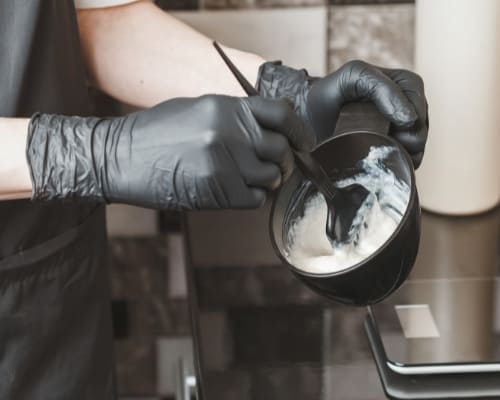
Before you start mixing potions in your bathroom, it is crucial to understand what you are trying to replicate. Hair developer is essentially an oxidizer—usually hydrogen peroxide—that acts as the “key” to unlock your hair strands.
The Science of the Hair Cuticle
Your hair strand is covered in a protective layer called the hair cuticle, which looks like overlapping fish scales. For permanent hair colors or bleach to work, these scales must be lifted.
- Opening the Door: The developer creates a chemical reaction that raises the cuticle.
- The Lift: The oxygen atom released by the peroxide disperses the existing natural hair color (melanin).
- The Deposit: If you are using dye, this opening allows new color molecules to penetrate deep into the hair shaft.
Without developer, hair dye is just paint sitting on top of a closed door—it will wash right off. This is why permanent color requires two parts: the color tube (ammonia) and the developer (peroxide).
Can You Really Make Homemade Developer?
The short answer is yes, but with a major caveat.

Most professional developers are stabilized hydrogen peroxide. You can buy hydrogen peroxide at the pharmacy (usually 3%), which is chemically similar to a 10 vol developer. By mixing this with agents like conditioner or baking soda, you can create a functional substitute.
⚠️ Important Warning: Professional developers contain buffers to prevent the pH from spiking too high and melting your hair. Homemade versions do not. If you have fine hair or previously colored hair, proceed with extreme caution. Always perform a strand test on a hidden strand of hair before applying anything to your entire head.
Recipe 1: The “Emergency” Developer (Peroxide + Conditioner)
Best for: Mixing with semi-permanent dye or slight lifting.
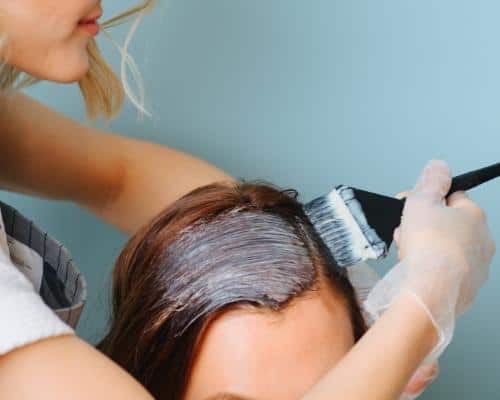
If you have a bottle of 3% hydrogen peroxide in your medicine cabinet, you essentially have a 10 volume developer. This strength is perfect for depositing color or shifting your shade one level lighter.
Ingredients:
- 1/2 cup 3% Hydrogen Peroxide
- 1/2 cup Baking Soda (optional, for bleach-like lift)
- 1/4 cup Conditioner (to protect the hair)
Instructions:
- The Mix: In a plastic bowl (never metal, as it reacts with peroxide), mix the hydrogen peroxide and baking soda until dissolved.
- The Buffer: Stir in the conditioner. This helps create a creamy consistency similar to a bottle of developer and provides a buffer for your scalp.
- Application: Use this mixture immediately. Unlike store-bought developer, the chemical reaction in homemade versions degrades quickly.
Note on Strength:
6% Peroxide ≈ 20 Volume Developer (Standard for covering gray hair and lifting 1-2 levels). Note: It is difficult to find 6% peroxide in a standard drug store.
3% Peroxide ≈ 10 Volume Developer (Deposits color, very slight lift).
Recipe 2: The Gentle “Sun-Bleach” Method (Lemon + Water)
Best for: Virgin hair, light blonde highlights, and summer vibes.
If the idea of chemical peroxide scares you, or you just want natural highlights, lemon juice is a classic natural lightening agent. It works by using citric acid to slowly oxidize the melanin, accelerated by UV rays.
Ingredients:
- 1/2 cup Fresh Lemon Juice
- 1/2 cup Distilled Water
- 1 tablespoon Olive Oil (to prevent dryness)
Instructions:
- Mix ingredients in a spray bottle.
- Spray onto damp hair where you want highlights.
- Sit in the sun for 30-60 minutes. The heat and UV light activate the citric acid.
- Deep conditioning is mandatory afterward, as lemon juice is extremely drying.
Reality Check: This will not turn dark brown hair platinum. It will likely shift dark hair to a warm, reddish-brown. It takes much time and multiple sessions to see results.
Recipe 3: The Vitamin C Flush
Best for: Removing old dye or lifting hair 1 shade.
This is a TikTok favorite for removing an ugly duckling color or fading dye that is too dark.
Ingredients:
- 10-15 Vitamin C tablets (crushed into fine powder)
- 1/2 cup dandruff shampoo (sulfates help strip color)
Instructions:
- Mix the powder and shampoo mix until it forms a thick paste.
- Apply to damp hair and cover with a shower cap.
- Let sit for 45 minutes.
- Rinse thoroughly. Vitamin C acts as a mild antioxidant that disrupts color molecules.
Understanding Developer Volumes: Why It Matters
When making or buying developer, “Volume” refers to the concentration of oxygen. Using the right volume developer is critical for your hair goal.
10 Volume (3% Peroxide)
- Use: No-lift or deposit only.
- Best For: Going darker, toning light blonde hair, or sensitive scalps.
- Homemade Equivalent: Standard drugstore hydrogen peroxide.
20 Volume (6% Peroxide)
- Use: 1-2 levels of lift + Gray Coverage.
- Best For: The standard permanent hair coloring strength. It covers grey hair effectively and provides a permanent result.
- Homemade Equivalent: Hard to make safely; requires diluting strong food-grade peroxide (highly risky).
30 Volume (9% Peroxide)
- Use: 2-3 levels of lift.
- Best For: Turning brown hair to a golden blonde.
- Warning: Can cause burns if left too long.
40 Volume (12% Peroxide)
- Use: 4+ levels of lift.
- Best For: High-lift colors.
- Warning: Strongest level of developer used on scalp. Ideally left to a professional colorist. Never attempt to make this strength at home.
Can I Use Vinegar Instead of Developer?
We see this question in important threads and forums often: “Can I use apple cider vinegar (ACV) as developer?”
No. Vinegar is acidic. Developer needs to be alkaline to open the hair cuticle. If you mix bleach powder with vinegar, the chemical reaction will essentially fizzle out and release potentially harmful fumes, while doing absolutely nothing to lighten your hair.
However, ACV is an excellent after-care rinse. It helps close the cuticle after you dye your hair, sealing in the color and restoring pH balance.
Safety First: How to Avoid Disaster
Using homemade chemistry on your head is risky. Follow these basic rules to protect the health of your hair.
1. The Strand Test
Never skip this. Take a small strand of hair from behind your ear. Apply your homemade mixture. Wait 30 minutes. Rinse and check for:
- Color: Is it the desired result or a patchy orange?
- Texture: Is it gummy or snapping? If so, abort mission.
2. Avoid Metal
When mixing anything with peroxide, use plastic or glass bowls. Metal can cause a rapid chemical reaction that renders the developer useless or causes it to heat up unpredictably.
3. Listen to Your Skin
If you feel intense burning (more than a tingle), wash it off immediately. Homemade mixes lack the soothing agents of professional products, increasing the risk of chemical burns.
When to See a Professional
If you have black hair and want to be light blonde, no amount of lemon juice or baking soda will get you there without destroying your hair. Major transformations require bleach powder and typically 30 or 40 volume developer.
For a dramatic change, especially if it’s your first time or you have colored hair, booking a first visit with a professional hair stylist is safer and cheaper than fixing a chemical haircut later.
FAQs
Q: Can I use conditioner instead of developer?
A: No. Conditioner closes the cuticle, while developer opens it. If you mix dye with conditioner, it becomes a diluted semi-permanent stain (like a pastel) but will not be permanent color and cannot lighten hair.
Q: Does homemade developer expire?
A: Yes, very quickly. Once you expose hydrogen peroxide to air or mix it with baking soda, the oxygen escapes. You must use it within 15-20 minutes. Do not store it in a closed bottle, as gas buildup can cause it to explode.
Q: Will 3% hydrogen peroxide lighten dark hair?
A: Barely. On dark hair, 3% peroxide might lift the color half a shade to a reddish-brown warm tone, but it won’t create a pale yellow blonde. It is too weak for significant lifting.
Q: Can I mix water with dye if I don’t have developer?
A: No. Water dilutes the pigment but does not activate the chemical process needed to penetrate the hair shaft.
Q: Is baking soda bad for hair?
A: Baking soda has a very high pH (around 9). While this opens the cuticle (good for dyeing), it can be extremely harsh and drying, leading to hair damage and breakage if used frequently or without an acid rinse (like vinegar) afterward to restore pH.
Conclusion
Making homemade hair developer is a fascinating science experiment and a viable solution for minor tweaks, emergency root touch-ups, or gentle natural lightening. Using natural ingredients like honey, lemon juice, or simple drugstore peroxide can save you a trip to the store and limit exposure to some harsh chemicals.
However, for significant lift, gray hair coverage, or precision color, the accuracy of any cited facts in hair chemistry points to professional products being superior. They offer consistent results, stabilizers, and conditioning agents that DIY mixes simply cannot match.
If you decide to play alchemist, always prioritize the health of your hair. Start with a lower volume developer equivalent, do your strand test, and remember: patience is key. Good luck on your DIY hair journey!